
Products News
-
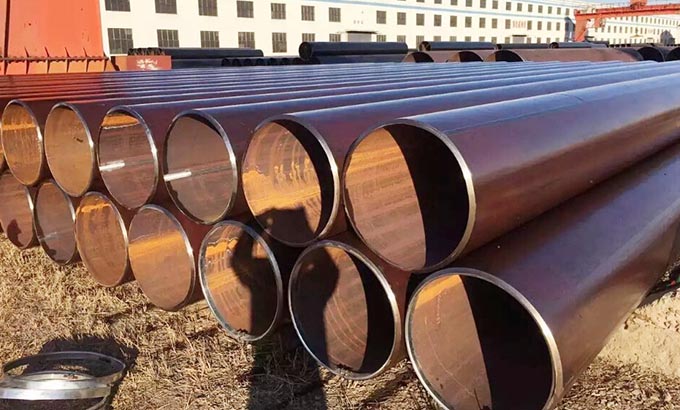
JCOE Pipe
JCOE is a type of straight seam double-sided submerged arc welded pipe. LSAW steel pipe can be divided into high-frequency LSAW steel pipe and submerged arc welded LSAW JCOE steel pipe based on the production process. Submerged arc welded straight seam steel pipes are divided into UOE, RBE, JCOE,...Read more -
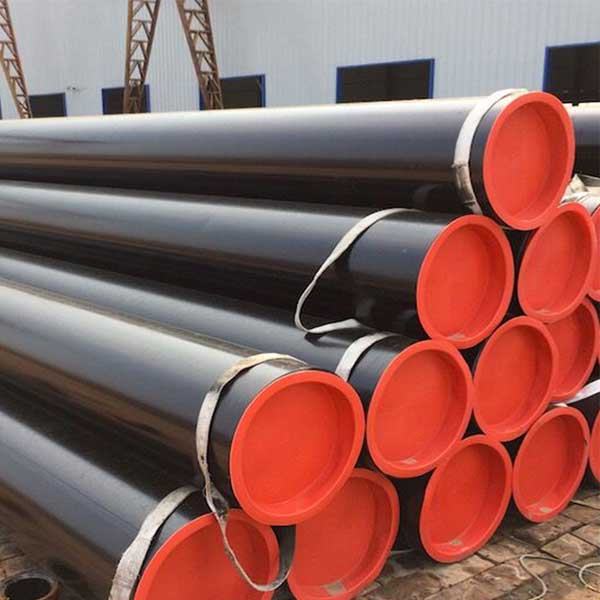
Differences between ERW and EFW
ERW stands for Electric Resistance Welding. The welding method for ERW pipe and submerged arc welded pipe is significantly different. ERW uses a pressure welding method without filler metal, resulting in a weld that is not filled with other components. The high-frequency current skin effect and p...Read more -
17 major avoidance principles in the steel pipeline construction
1. The small steel tube makes the big tube: the small tube is easy to bend and the cost is low. 2. Branch pipes to main steel pipes: branch pipes are generally smaller in diameter. See Article 1 for the reasons for avoidance. Also, the scope and importance of branch steel pipes are not as importa...Read more -
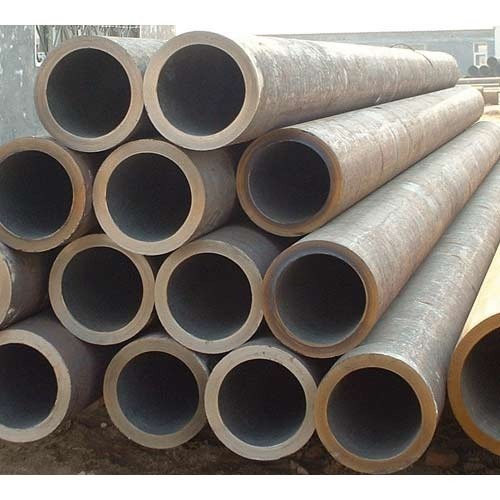
The Difference Between Hot Rolled Steel Pipe And Cold Rolled Steel Pipe and Welded Steel Pipe
Hot rolled steel pipes are a type of steel pipe product that offers unique advantages. By refining the grain structure of the ingot, it can destroy the casting organization and eliminate microstructure defects, resulting in improved mechanical properties. Additionally, the market offers a variety...Read more -
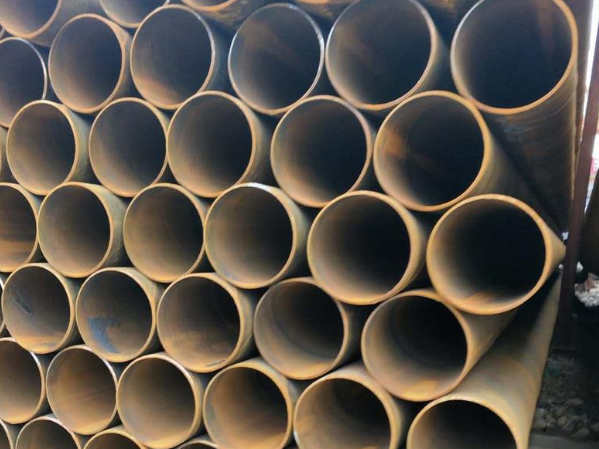
5 ways to remove rust from carbon steel tubes
Rust removal of carbon steel tubes (cs tube) is an important step in ensuring the safe operation and service life of pipelines. The following are 5 commonly used rust removal methods for carbon steel tubes: 1. Manual rust removal Manual rust removal uses hand tools (such as wire brushes, shovels,...Read more -
Quality requirements for external corrosion protection of steel pipes
1. The rust removal of the surface of the steel pipe should reach the sa2.5 standard of gb8923-88, showing the natural color of the metal, without visible grease, dirt, rust, and other attachments. 2. The anti-corrosion layer should be cured within 24 hours, with uniform thickness, compactness, n...Read more